
Online Gambling Fraud South Africa: What the Latest Warning Means for Players
Online gambling fraud South Africa warnings are becoming more urgent as betting and casino accounts move onto phones. A report from Find More Africa, referring to a warning from Sumsub, highlights the risk of fraud around online gambling. The practical message is straightforward: a trusted-looking brand, a WhatsApp message or a familiar payment logo is not enough proof that an account or promotion is genuine.
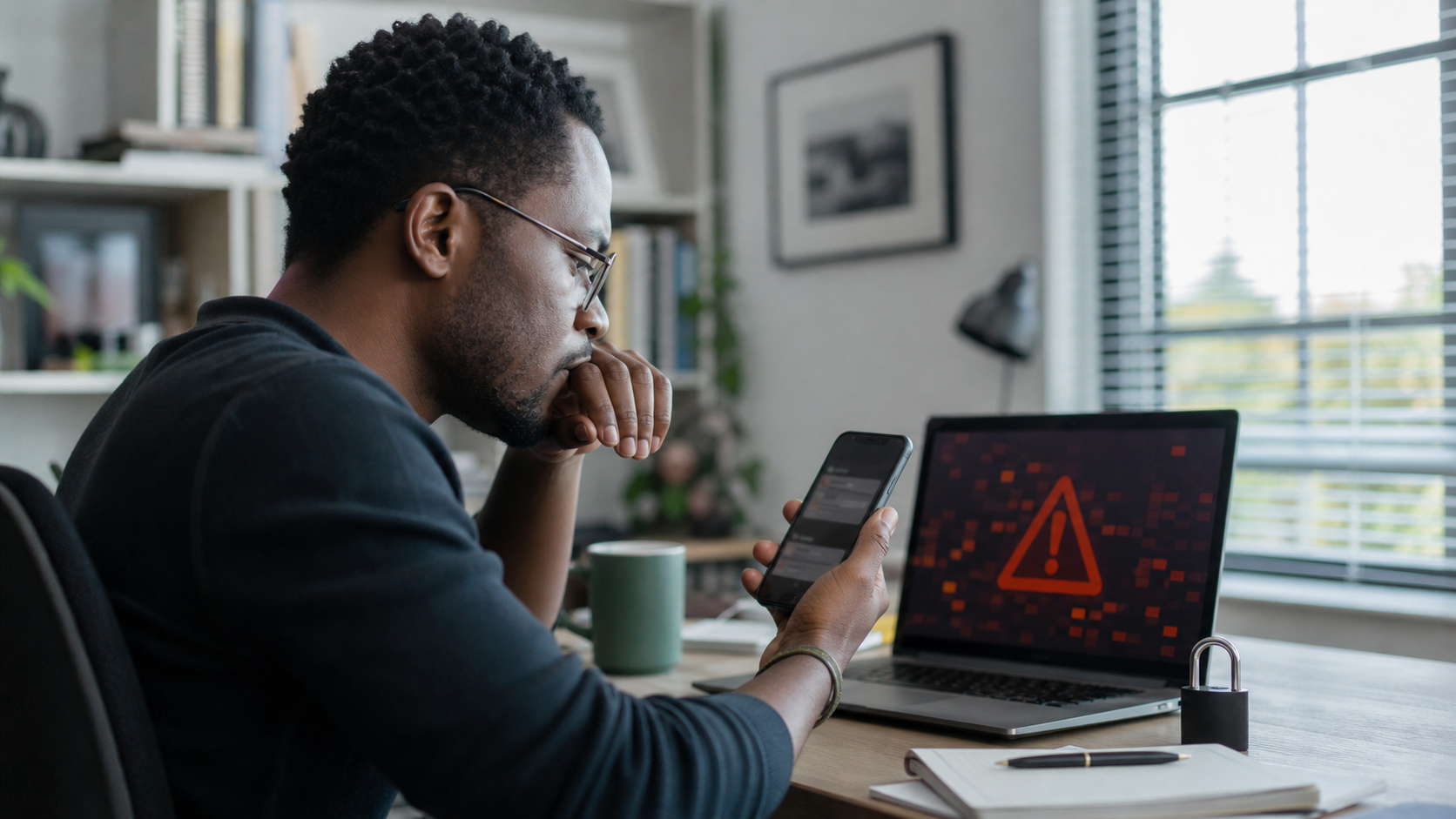
This guide focuses on the everyday steps that help players avoid fake sites, account takeovers and payment scams. It is not a suggestion that every online gambling site is fraudulent. It is a reminder to verify before sending money or documents.
At a glance
- How fraudsters target gambling users
- What to check before depositing
- How to protect identity documents
- What to do after a suspicious payment
How the scam usually starts
Fraud often begins with urgency. A message may promise a large sign-up bonus, say that a withdrawal is waiting, or claim that an account will be closed unless the player pays a fee. Other scams copy an operator’s logo and colours, then move the conversation to an unofficial number. Some sites also use sports excitement to encourage a quick deposit before a big match.
Fraudsters want one of three things: your money, your identity documents or access to your account. Once they have a password or one-time code, they may try to change payment details, withdraw funds or reuse the information elsewhere.
Seven checks for safer online betting
1. Type the web address yourself
Do not rely on a sponsored link in a random message. Check spelling, the secure connection and whether the site links to a legal operator and support page.
2. Never share a one-time code
Legitimate support should not need your one-time password. Treat a request for a code, password or remote screen access as a red flag.
3. Inspect the payment process
Use the payment options shown inside the secure account area. Be wary when someone asks you to pay a withdrawal release fee into a personal bank account or cryptocurrency wallet.
4. Check the operator details
Look for the legal company name, licence information, complaints process and responsible-gambling tools. Our online casino comparison guide lists the details worth checking.
5. Protect identity documents
Only upload documents through a secure, official verification page. Do not email a passport or proof of address to an unverified promoter. Keep copies of what you submitted and note the date.
6. Use a unique password
A strong, unique password reduces the damage if another website suffers a breach. Add multi-factor authentication when an operator offers it.
7. Slow down when the message feels urgent
Scammers use panic and excitement together. Close the message, open the official site separately and contact support through the published channel.
What to do if money or data has been exposed
Contact your bank or payment provider immediately, change the affected password and preserve screenshots, account numbers, messages and transaction references. Report the matter to the operator through its official support route and ask for an account freeze. If identity documents were involved, watch for further suspicious activity and seek guidance from the relevant authorities.
Our mobile betting safety checklist is useful before installing an app, while the sportsbook guide explains what a normal betting account should show.
FAQ
Can a real operator contact me on WhatsApp?
Some operators may offer chat support, but you should start the conversation from the official website. Never trust an unsolicited contact simply because it uses a familiar logo.
Should I pay a fee to unlock winnings?
Pause and verify. An unexpected personal payment request is a major warning sign. Contact the operator through its official site and your bank before paying anything.
Is a secure padlock proof that a site is legitimate?
No. HTTPS protects the connection, but it does not prove that the business is licensed or honest. Check the operator and licence information too.
Sources
- Find More Africa report via Google News
- Sumsub identity and fraud-prevention information
- National Gambling Board
Never chase a loss or send sensitive information under pressure. If gambling is causing harm, take a break and seek support.