
Macau Casinos Expansion: New Boutique Hotel Project Breaks Ground in Hengqin
Key Points: When exploring the world of high-stakes entertainment and luxury travel, few destinations command as much attention as the vibrant landscape of Macau casinos. Understanding the essential elements of this gaming hub is crucial for any traveler or enthusiast looking to navigate the intense energy and unparalleled scale of the regions premier gambling venues.
- SJM Resorts is moving forward with a hotel project in Hengqin.
- Hengqin shares a border with the Cotai Strip via the Lotus Bridge.
- Casino gambling is restricted to within Macau’s borders.
One of the six gaming companies licensed to operate casinos in Macau is investing in neighbouring Hengqin, which is situated across the Lotus Bridge from the renowned Cotai Strip, home to extravagant integrated resort casinos catering to China’s affluent clientele.
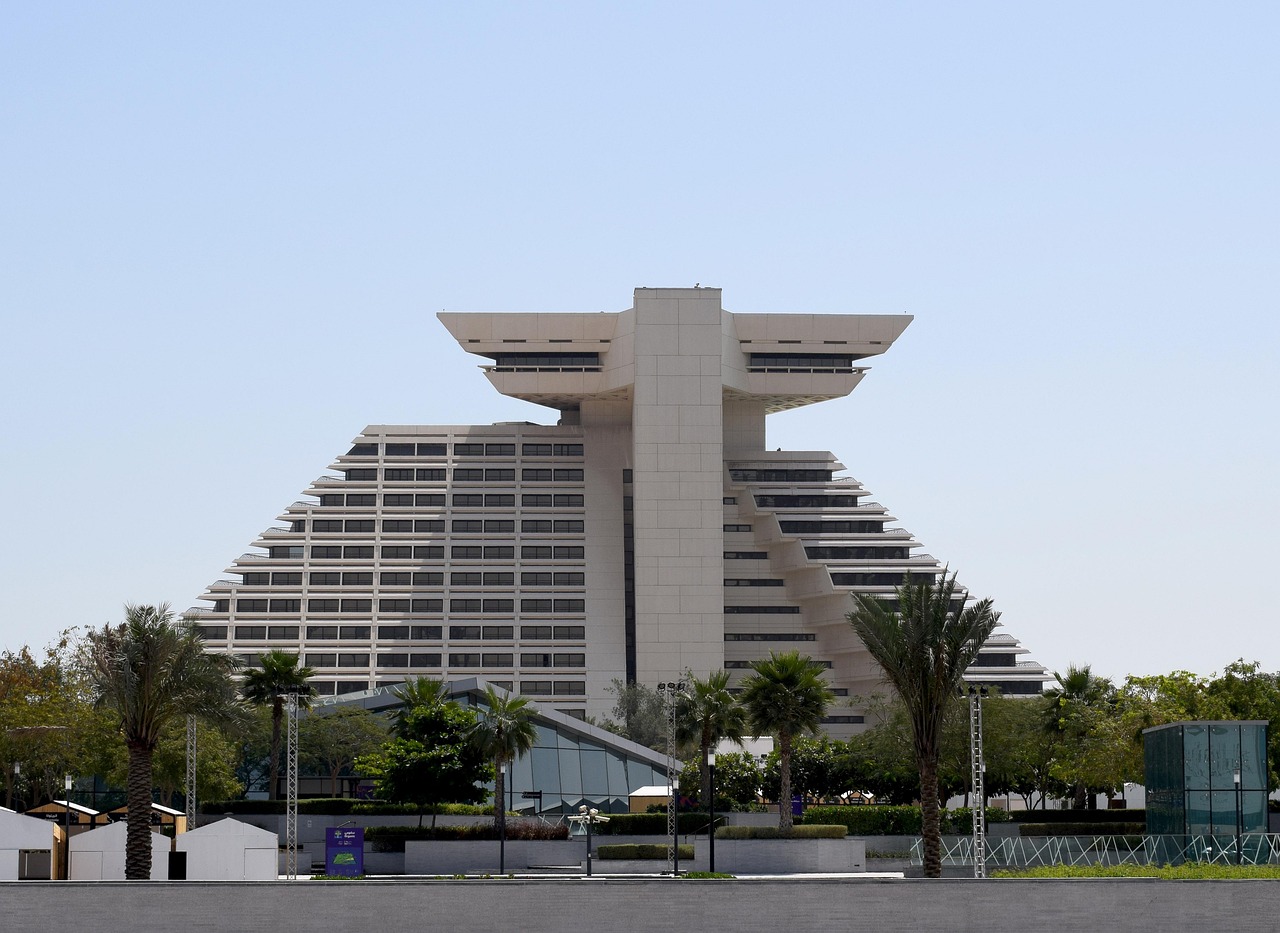
SJM Resorts holds the title of the longest-serving casino concessionaire in the Chinese Special Administrative Region (SAR). Established in 1963 by the legendary Stanley Ho, often referred to as the “King of Gambling,” SJM maintained a monopoly on gambling within the region until Portugal returned the enclave to the People’s Republic in 1999.
In December last year, SJM disclosed intentions to expand its hotel operations into Hengqin. Recently, the Hong Kong-based SJM completed a purchase of 12 stories of a skyscraper at the cost of 724 million Chinese yuan renminbi (approximately US$101 million). Renovations to floors 21-29 and 31-33 will establish a three-star boutique hotel, featuring no more than 250 guestrooms.
Cross-Border Cooperation
With limited available land for development in Macau and on the Cotai Strip, the six casino operators in the industry’s richest gaming market have long considered Hengqin for non-gaming ventures as casino operations are confined within Macau’s borders.
Even though Macau outperforms Las Vegas as a gaming market ($28.3 billion in gross gaming revenue in 2024 versus Las Vegas’s $13.6 billion), the Chinese city has only 43,200 hotel rooms compared to Las Vegas’s 150,600.
Las Vegas serves a broader audience, attracting not just casino gamblers but also attendees of major conventions, family vacations, and sports events. Conversely, Macau remains primarily a gambler’s paradise, albeit efforts are underway to diversify its offerings.
In 2022, in exchange for ten-year extensions of their gaming licenses, the six casino companies in Macau committed to investing over $16 billion in non-gaming projects to draw more non-gaming tourists into the region. Following a clampdown in China on VIP junket operations, these casinos are increasingly focusing on the mass market and premium customers.
To promote a growth in overall visitors, a greater supply of hotel rooms is essential.
This project signifies more than just an expansion of our hotel portfolio. It aligns with national strategies to bolster integration between Hengqin and Macau, and we firmly believe in the long-term growth potential for cross-border tourism and cooperation, stated Daisy Ho, chair of SJM and one of the late Stanley Ho’s 17 children.
She further mentioned, “Through this investment, we aim to shape the tourism future of the Greater Bay Area, leveraging Macau’s status as a global tourism and leisure hub.”
Anchor Property
The non-gaming hotel initiative by SJM Resorts in Hengqin is unrelated to its mandate for non-gaming investment, as these funds must be directed at its properties on the Macau Peninsula or in Cotai. The company asserts that the three-star hotel will offer an affordable accommodation option tailored for both leisure and business travellers.
Located at a bustling gateway, adjacent to the 24-hour Hengqin Port and well connected by both the Guangzhou–Zhuhai Intercity Railway and the Macao Light Rapid Transit Interchange Station, this site is ideally placed to serve the increasing demand from cross-border travellers. Supported by initiatives from the Central Government such as relaxed multiple-entry arrangements for mainland tour groups and residents of the Cooperation Zone, cross-border traffic between Hengqin and Macau continues to witness steady growth, supported by favourable structural policies,” stated an SJM Resorts press release.
The hotel will be accessible within roughly ten minutes by car from SJM’s Grand Lisboa Palace Resort in Cotai and about 30 minutes from the Grand Lisboa Hotel in downtown Macau.
Conclusion
The development of a boutique hotel in Hengqin signals SJM Resorts’ commitment to expanding its operations in response to changing market dynamics. This strategic move not only enhances accommodation options in the Macau region but also illustrates the ongoing evolution of the gaming market, aiming to attract new visitors while adapting to shifting clientele preferences.
In summary, SJM Resorts is taking solid steps to pave the way for future growth in both Hengqin and Macau, positioning itself for success in an increasingly competitive landscape.