
MGM’s Las Vegas Casino Faces Sell Rating From Goldman Sachs
The financial outlook for MGM, a key player in the Las Vegas casino industry, is under scrutiny, as the bank says lease obligations and spending plans could crimp the company’s free cash flow.
The Stock Market Reaction
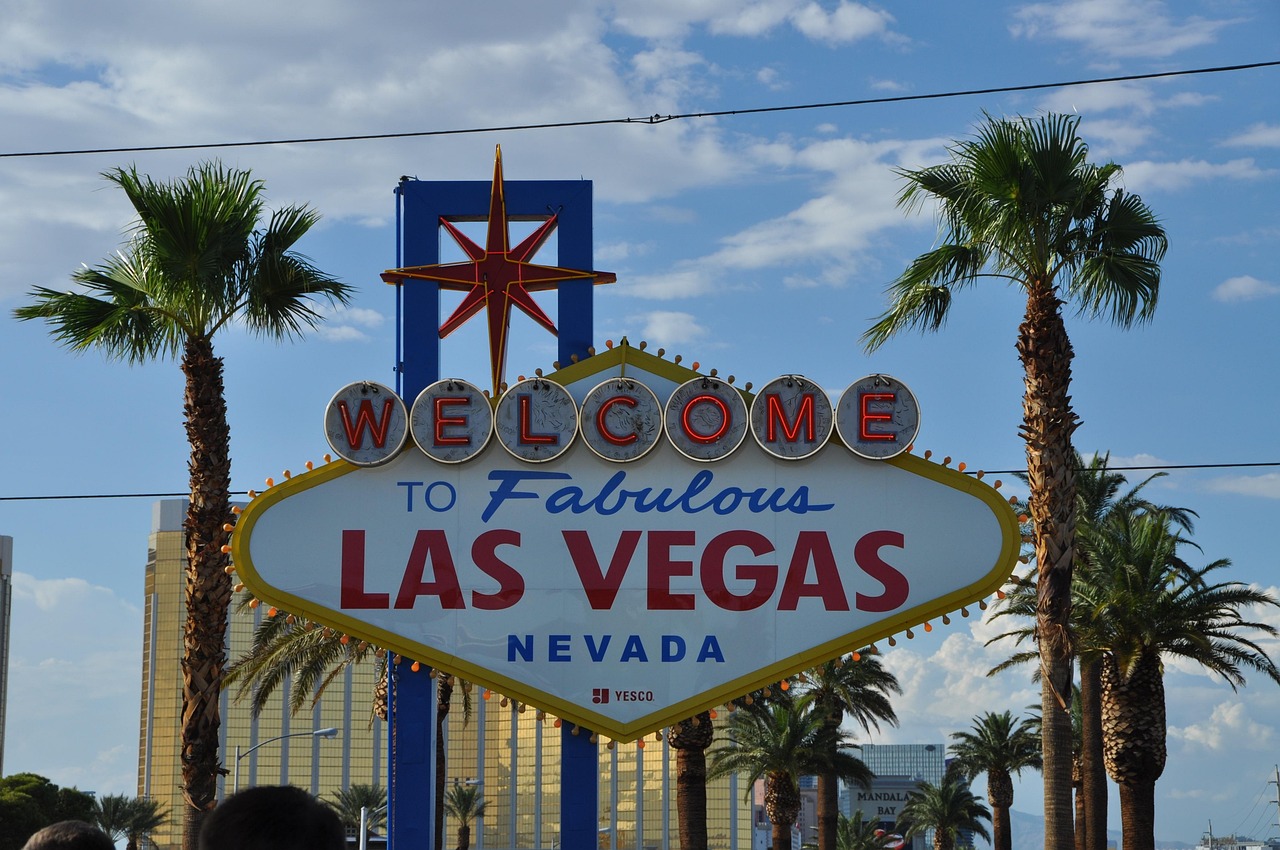
The MGM Grand on the Las Vegas Strip. The operator was hit with a “sell” rating by Goldman Sachs.

Analyst Lizzy Dove initiated coverage on a variety of gaming equities on Monday, including the Bellagio operator. Dove notes the casino industry is “ripe for stock picking,” but specific to MGM, the analyst points out the stock could be hampered by exposure to the Las Vegas Strip, upcoming large-scale spending plans, and lease obligations on its casino hotels.
Key Risks Facing MGM
With MGM’s significant lease burden and upcoming capex cycle for projects that are not opening in the near-to-medium term (Japan 2030+), we see unfavorable risk/reward against this macro, given the pressure on free cash flow generation, which we expect to weigh on capital returns and valuation,” wrote Dove in a report to clients.
The Impact of Las Vegas
In a more sanguine macroeconomic environment, MGM’s status as the largest operator on the Las Vegas Strip would be a potential source of allure, but that’s not the current state of affairs. The stock’s 15.58% gain over the past month obfuscates weakness in its largest market where monthly gross gaming revenue (GGR) figures are in the midst of a multi-month slide.
The Las Vegas Strip: A Mixed Bag
Some experts believe slack monthly GGR figures in Las Vegas are the result of volatile trade policy from the White House, which has weighed on international visitation to the US casino center. Others argue that Las Vegas operators, including MGM, have made visits to the city nearly unaffordable for middle-class folks, adding the companies are consistently nickel-and-diming customers to the point that Sin City vacations aren’t attractive.
The Potential for Asset Sales
Dove called the current climate in Las Vegas “choppy,” adding that the city faces heightened macroeconomic risks which are a potential drag on shares of MGM because the Cosmopolitan operator is the most macro-sensitive name in the bank’s gaming coverage space.
MGM Not Entirely Bereft of Assets to Sell As noted above, MGM doesn’t own any of the real estate on which its US gaming venues reside, but that doesn’t mean it has no assets to sell to raise cash, if needed.
Royal Flush: What We Can Learn from MGM’s Asset Sales
While deals have yet to materialize for those venues, MGM has previously sold operating rights on casinos where the land was owned by a third party, doing so with the Mirage on the Las Vegas Strip and a regional casino in Mississippi. In conclusion:
MGM faces significant challenges that may impact its stock price. The company’s exposure to the Las Vegas Strip, large-scale spending plans, and lease obligations could weigh on its free cash flow generation. However, MGM has assets it can sell to raise capital if needed. As the gaming industry continues to evolve, investors will need to carefully consider these factors when evaluating MGM’s prospects.
Related Articles:
MGM Resorts Opens New Casino in Mississippi as Gaming Revenue Slows