
Peorias Legal Battle Ends Over Casino Redevelopment: The vibrant city of Peoria, Illinois, known for its rich history and flourishing arts scene, has recently made headlines by dropping its lawsuit against Boyd Gaming regarding the redevelopment of the iconic Par-A-Dice riverboat casino. This decision follows Boyd Gaming’s amendments to its initial project proposal, paving the way for a new chapter in the casino’s history. As the Illinois Gaming Board prepares to vote on this significant project, let’s delve into the details surrounding the redevelopment, its implications, and what it means for the community.
Boyd Gaming’s original plan for modernizing the Par-A-Dice faced pushback from Peoria’s city council due to concerns over a 1991 intergovernmental agreement between Peoria and East Peoria. This agreement stipulates that any riverboat gaming operations must take place on the east side of the Illinois River, while any land-based gambling must be situated on the western bank. After a split vote from the city council rejected Boyd’s offer to resolve these contentions, the casino operator revised their proposal to align more closely with the original agreement.
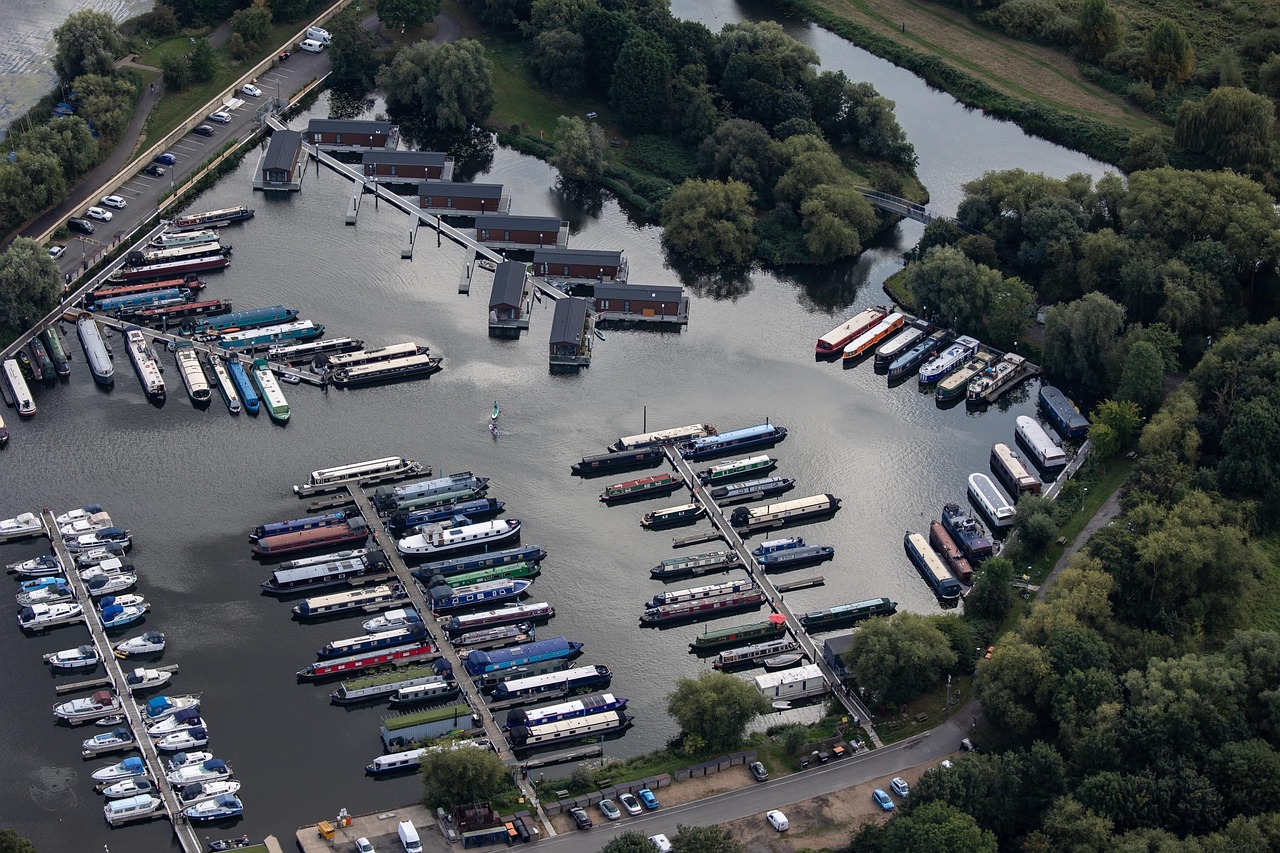
Now, instead of constructing a largely land-based casino, Boyd Gaming has pivoted to a more traditional riverboat model. The new proposal includes a permanently moored barge on the Illinois River, which is expected to satisfy the legal and regulatory frameworks laid out by the agreement. Consequently, Peoria has rescinded its lawsuit, which had sought a temporary restraining order to block the Illinois Gaming Board from approving the redevelopment.
The Financial Landscape of Par-A-Dice
In 2025, Boyd Gaming’s Par-A-Dice Hotel Casino generated a gross gaming revenue (GGR) of $61.9 million, placing it 12th among the 17 casinos in Illinois. The revenue breakdown showed that Par-A-Dice earned $51.2 million from its slot machines and $10.7 million from table games. During that year, the casino welcomed approximately 427,518 guests to its 26,116-square-foot riverboat, making it a popular destination for both locals and tourists.
The financial implications of the casino’s operations are significant for both Peoria and East Peoria. The local tax share, which totaled just over $3.5 million, is split between the two cities. However, only East Peoria directly benefits from the casino’s property, food and beverage, amusement, hotel, and other taxes. In a gesture aimed at fostering goodwill, Boyd Gaming proposed to send Peoria 2.25% of all non-gaming revenue generated from the modernization of the riverboat. Estimates projected that this agreement could yield an additional $1.8 million annually for Peoria.
However, five city councilors rejected Boyd’s offer, believing that a more favorable deal could be negotiated. This decision ultimately led Boyd Gaming to strip back its modernized riverboat concept, opting instead for the moored development that is now poised for approval. The Illinois Gaming Board is expected to make a decision regarding this proposal on February 26, and indications suggest that approval is likely.

Historical Context: The Evolution of Riverboat Gaming in Illinois
The history of riverboat gaming in Illinois is both fascinating and complex. The state legalized riverboat casinos in 1990 as a way to boost tourism and generate revenue for local governments. This initiative allowed for the creation of numerous riverboat casinos throughout Illinois, transforming the gambling landscape. The Par-A-Dice, which opened its doors in 1991, has been a staple of this industry, contributing to the local economy and providing entertainment options for visitors.
Over the years, riverboat casinos have evolved, with many transitioning from floating vessels to more traditional land-based facilities. However, the unique charm of riverboat gaming remains a draw for many. The Par-A-Dice has maintained its riverboat status, and the recent redevelopment will likely enhance its appeal while still adhering to the regulations set forth in the intergovernmental agreement.
The Future of Par-A-Dice and the Local Economy
Boyd Gaming’s CEO, Keith Smith, expressed optimism about the redevelopment, stating that the investment in Peoria will “significantly enhance the competitiveness and appeal of Par-A-Dice.” As the landscape of gaming continues to shift, the modernization of the Par-A-Dice is expected to attract more visitors, which could lead to increased revenue for both Peoria and East Peoria.
With the upcoming vote by the Illinois Gaming Board, the future of Par-A-Dice hangs in the balance. If approved, the redevelopment could serve as a catalyst for further investment in the region, stimulating the local economy and creating new job opportunities. Additionally, the resurgence of the casino could bolster tourism, not only benefiting the immediate area but also contributing to the broader economic growth of the state.
As Peoria and East Peoria navigate this transitional phase, it is essential to consider the broader implications of the redevelopment. The success of the Par-A-Dice could serve as a model for other riverboat casinos in Illinois, showcasing the potential for modernization while adhering to historical agreements and community needs.
Conclusion
The dropping of the lawsuit by Peoria marks a significant turning point for Boyd Gaming’s Par-A-Dice riverboat casino. By opting for a permanently moored barge and aligning their proposal with local regulations, Boyd has demonstrated a commitment to working collaboratively with local government. As the Illinois Gaming Board prepares to make a critical decision, the future of Par-A-Dice promises to be an exciting development for the region’s gaming landscape. It will be interesting to see how this evolution unfolds and what it means for both Peoria and East Peoria, as well as the local economy as a whole.