
Las Vegas High Stakes: The vast deserts surrounding Las Vegas have always been a backdrop for thrilling stories, from the glitzy lights of the Strip where fortunes are won and lost to tales of adventure and intrigue. When examining the high-stakes environment of the casino, understanding effective betting strategies becomes crucial for navigating the inherent risks of the environment. However, a recent incident has cast a dark shadow over the region, as authorities grapple with the implications of a suspected terrorist attack. On a seemingly ordinary Thursday, a 23-year-old man named Dawson Maloney committed a shocking act by ramming his rental car into a power substation before taking his own life. While the event was tragic, it also raises pressing questions about the motivations behind such desperate actions and the potential threats they pose to public safety, forcing a deeper look at the strategies we employ to manage risk.
As the sun rose over Boulder City, Nevada, on that fateful day, police received a 911 call shortly after 10 a.m. reporting a vehicle had crashed through the fence of a local power facility. Eyewitness accounts described the sound of gunfire shortly after the impact, painting a chaotic scene. Officers arrived at the scene to find a silver Nissan Sentra driven by Maloney, who was found dead in the driver’s seat with a self-inflicted gunshot wound. The circumstances leading to this tragedy were as alarming as the act itself.
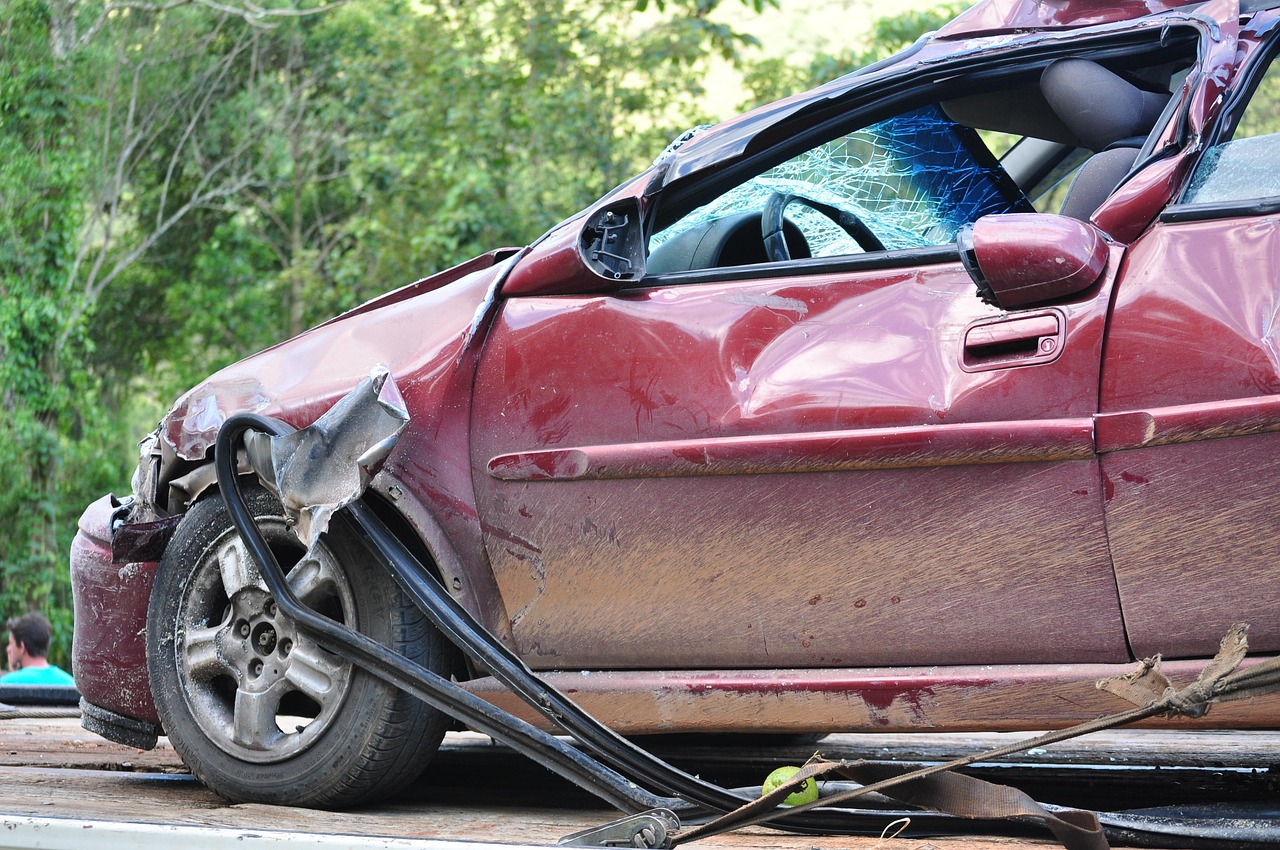
Authorities quickly discovered that Maloney had not acted alone; rather, he had been fueled by a disturbing ideology. Inside his vehicle, law enforcement officials found an arsenal that would raise the eyebrows of even the most seasoned officers. The inventory included two shotguns, an AR-style pistol, numerous ammunition magazines, and even flamethrower-type devices, showcasing a level of preparation that suggested more than just a spur-of-the-moment decision.
Investigations revealed that Maloney had traveled cross-country from Albany, New York, driving westward with a grim purpose. License plate readers tracked his movements as he made his way to Nevada, where he ultimately chose the power substation as his target. The Boulder City facility is not just any power station; it plays a critical role in transmitting electricity from the iconic Hoover Dam to Southern California, making it a vital part of the region’s infrastructure.
As police delved deeper into Maloney’s background, they uncovered alarming details. He had recently been reported missing by his family, who expressed concern over his well-being. Prior to the attack, family members noted that he had made disturbing statements, including referring to himself as a “dead terrorist son” and hinting at a desire to commit an act that would attract media attention. This troubling context prompted authorities to treat the incident as terrorism-related.
In addition to the weapons found in the car, a search of Maloney’s hotel room revealed bomb-making materials, including thermite and ammonium nitrate, which are commonly used in explosives. Investigators also discovered a collection of extremist literature, ranging from white supremacist writings to anti-government texts. This disturbing mix of ideologies raises questions about the influences that can drive individuals to commit such heinous acts.

The implications of Maloney’s actions are significant, not only for public safety but also for the broader conversation about the rise of domestic terrorism in the United States. Authorities have noted a worrying trend in recent years, with incidents of politically motivated violence on the rise. The FBI and other agencies have increased their focus on domestic extremism, recognizing the potential threats posed by individuals like Maloney.
However, it is essential to understand the psychological factors that can lead someone down this path. Experts suggest that feelings of alienation, frustration, and a desire for belonging can drive individuals towards extremist ideologies. In Maloney’s case, the combination of personal struggles and exposure to radical material may have pushed him to take such drastic and tragic measures.
Though Maloney’s actions were aimed at causing chaos, authorities assured the public that there was no ongoing threat following the incident. Sheriff Kevin McMahill of the Las Vegas Metropolitan Police Department emphasized the importance of community vigilance, acknowledging that while this particular incident had been contained, the underlying issues of radicalization and domestic terrorism remain critical concerns.
As investigators continue to analyze Maloney’s background and affiliations, they are also reaching out to his acquaintances to gather more information. This thorough investigation is vital in understanding the motivations behind his actions and potentially preventing future incidents. The FBI’s actions in searching residences connected to Maloney indicate a commitment to uncovering the full scope of the situation.
In conclusion, the tragic events surrounding Dawson Maloney’s attack on a power substation serve as a stark reminder of the complexities of human behavior and the potential for violence rooted in ideology. The Las Vegas community, known for its resilience and spirit, must now confront the unsettling reality of domestic terrorism. As we reflect on this incident, it becomes increasingly important to foster open dialogues about the factors that contribute to radicalization and to work collectively toward solutions that promote understanding and prevent such tragedies in the future. For the latest updates on this topic and more in the realm of gambling insights, be sure to stay tuned.