
Even Senators Who Shaped Spending Bill Blindsided by Gambling Measure
The FAIR BET Act aims to repeal “punitive” tax change that makes it harder for Americans to deduct gambling losses.
Gambling loss deduction capped in last-minute Senate amendment
Lawmakers say they never saw the provision before vote
How It Works
The measure raises gamblers’ taxes by limiting how much of their losses they can deduct. Only 90% of losses will be deductible under the new rules, meaning even gamblers who break even could end up with a sizable tax bill.
The gambling amendment wasn’t in the original House version of the bill and appeared only in the final conference report after negotiations between the House and Senate. Slipped into a nearly 1,000-page tax section, it escaped public scrutiny until the bill neared voting.
A Brief History
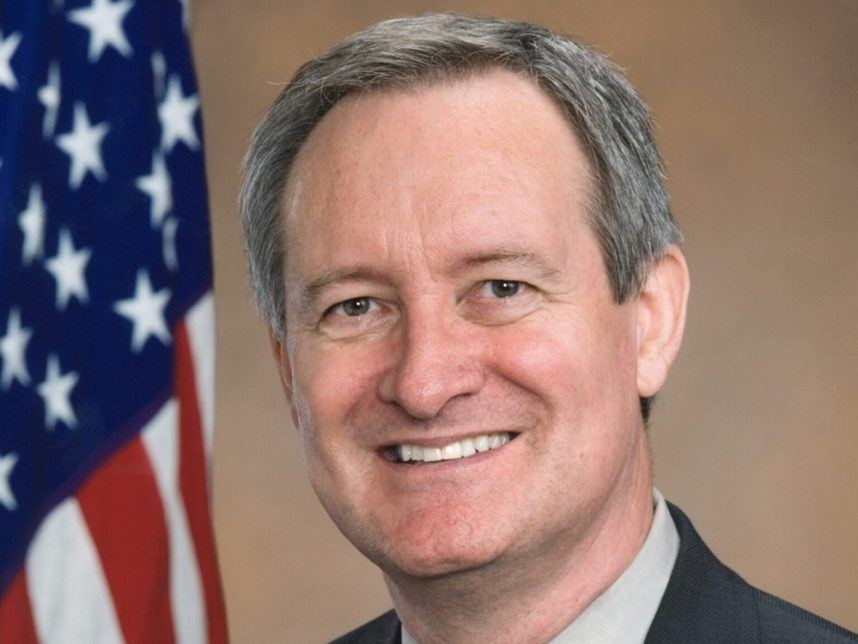
The amendment was introduced by Sen. Mike Crapo (R-Idaho), chair of the Senate Finance Committee, who was probably driven more by fiscal restraint than by any ideological opposition to gambling, although both factors may have played a role.
The measure is estimated to generate $1.1 billion in tax revenues over eight years, according to the nonpartisan Joint Committee on Taxation.
Opposition to the Amendment
As a state legislator in Idaho in the early 1990s, Crapo opposed casino-style gambling, supporting a constitutional amendment to ban it statewide. However, since arriving in the US Senate in 1999, he has shown little legislative interest in gambling matters and has remained largely silent on modern gambling policy.
Sen. Chuck Grassley (R-Iowa) and Sen. John Cornyn (R-Texas) confirmed to the news website that they were surprised to learn that the provision existed, despite sitting on the Senate Finance Committee — the very panel that worked on the tax provisions of the omnibus bill.
Repeal Efforts
Sen. Dina Titus (D-Nev.) introduced legislation, the FAIR BET Act, to repeal the provision. Her bill would restore the previous tax treatment for gamblers, allowing them to deduct 100% of their losses.