Slot Tax Threshold Raised Through ‘One Big Beautiful Bill’
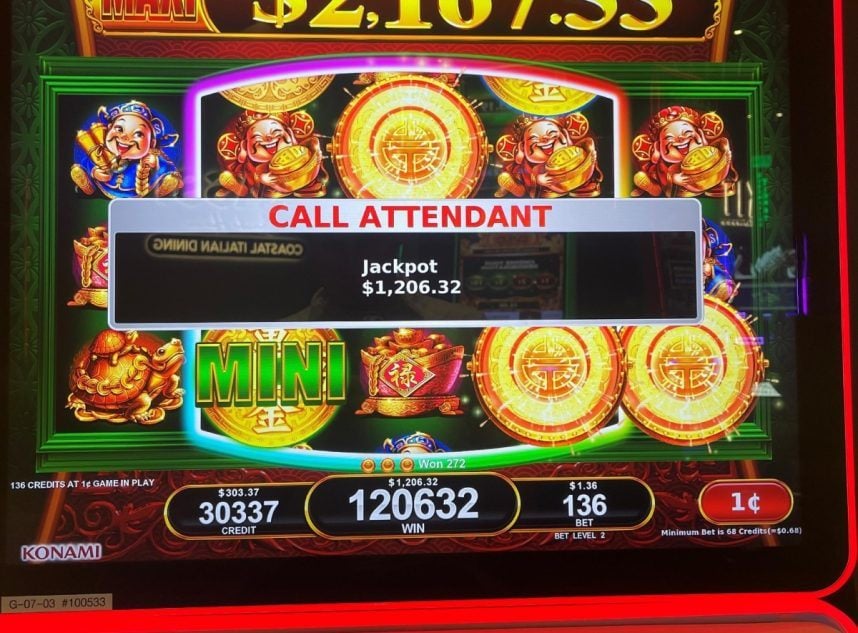
The casino industry has been calling for an increase in the slot tax reporting threshold for years, and it appears that the long-awaited change is finally here. A recent tax provision tucked away in the “One Big Beautiful Bill Act” (OBBBA) suggests that the slot tax reporting threshold will be raised from $1,200 to $2,000 effective January 1, 2026.
The impact of this change cannot be overstated. With slot machines dispensing larger and more frequent wins, the current $1,200 trigger has become outdated and burdensome for both gamblers and casinos alike.
But what does this mean in practice? According to Sophia Yan, an attorney advisor at the Tax Law Center at NYU Law, the new threshold will require slot machine operators to report all winnings exceeding $2,000 on a 1099-MISC form. This change is expected to simplify the process and reduce the administrative burden on casinos.
However, some experts have raised concerns about the potential impact of this change on smaller gaming establishments. The SLOT Act, a federal bill championed by Nevada Congresswoman Dina Titus, aims to increase the reporting threshold to $5,000, which would still be below the current-day equivalent of $1,200 in 1977.
The Tax Law Center at NYU Law has long been advocating for a change in this area. “We believe that the prior existing slot tax reporting threshold regulations were not in accordance with Section 6041(a) even pre-OBBBA,” said Yan.
In any case, the change in the Section 6041(a) as a result of OBBBA appears to re-establish a floor of $2,000 for reporting of all types. A more recent statutory change takes precedence over regulations.
The Tax Law Center at NYU Law’s mission is to bring a public interest perspective and strong legal expertise to consequential tax policy decisions. The Center’s work includes weighing in on the technical details of tax legislation.
Here are some key facts about the new slot tax threshold:
* The reporting threshold will increase from $1,200 to $2,000 effective January 1, 2026.
* For 2027 and beyond, the threshold will increase in line with inflation.
* The Tax Law Center at NYU Law has long advocated for a change in this area to simplify the process and reduce administrative burdens on casinos.
Conclusion
The new slot tax reporting threshold is a significant step forward for the casino industry. By simplifying the reporting process and reducing administrative burdens, it aims to promote transparency and fairness in gaming. As the industry continues to evolve, it will be important to monitor the impact of this change and adapt to any future developments.