
The 13 Macau Hotel and the Macau Gaming Market Push
The recent sale of the 13 Hotel has become a significant focal point for investors monitoring the evolving Macau gaming market. Currently owned by Rio founder Loi Keong Kuong, the property is listed for HK$600 million (approximately US$76 million), offering a strategic entry point for those looking to capitalize on shifting trends. This transaction highlights the high-stakes opportunities available for stakeholders aiming to revitalize hospitality offerings and capture greater market share within this intensely competitive gambling landscape.
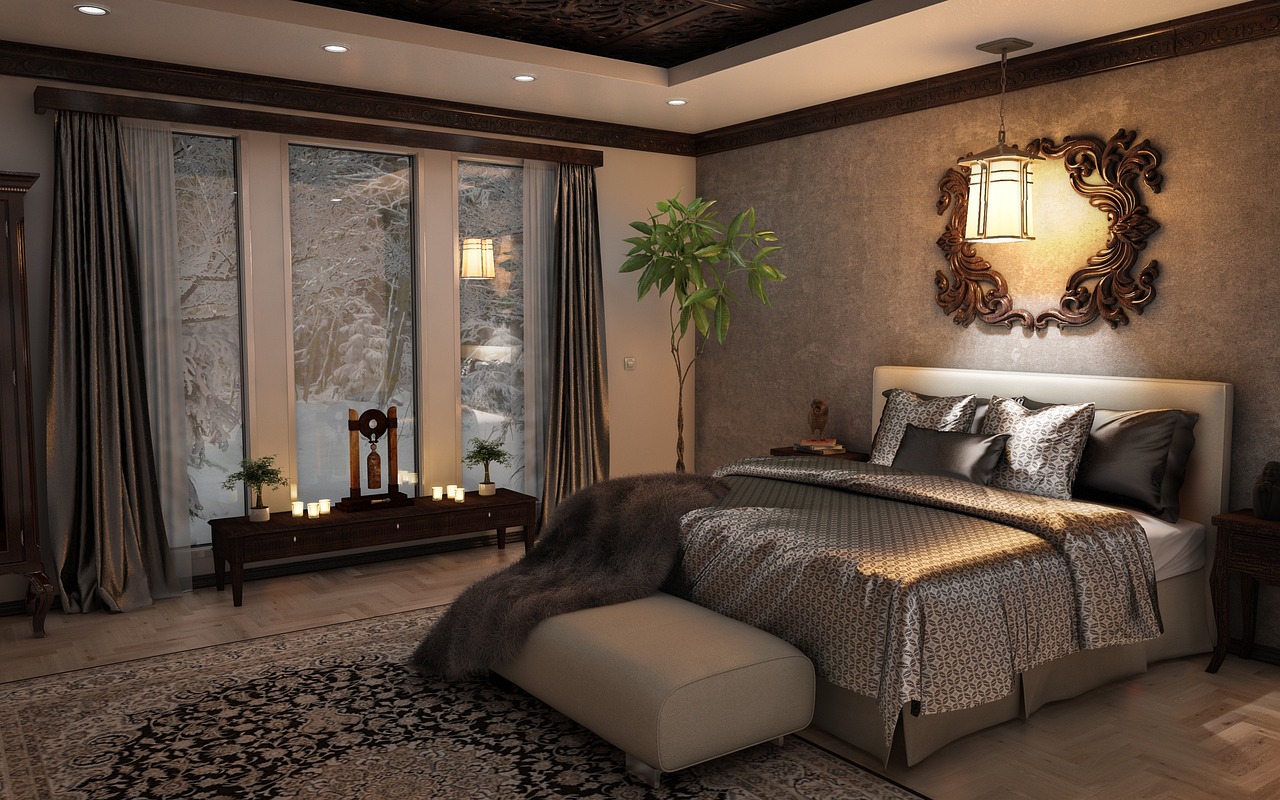
The original vision behind The 13 was to create a stunning playground for billionaires. However, over the years, it has faced significant challenges. The onset of the COVID-19 pandemic and the decline in Macau’s gaming industry has dramatically impacted its operations.
The boutique hotel, which required an initial investment of US$1.4 billion, was designed to attract high-stakes players. Its lack of a casino is a notable factor, especially as Macau’s gaming market constricts due to changes in high roller funding.
Challenges and Changes
The previous owner, flamboyant businessman Stephen Hung, found himself grappling with substantial financial losses, ultimately leading to his company, South Shore Holdings, filing for bankruptcy. The hotel’s auction allowed new ownership to step in and pivot the property’s future away from its original gaming-focused blueprint.
The Vision for Diversification
Loi Keong Kuong’s acquisition connects to broader initiatives aimed at diversifying Macau’s economy. At present, over 80% of the region’s revenue relies on gaming. The government is actively encouraging a shift towards attracting families and non-gaming tourists.
- In 2022, the Macau government renewed licenses for major operators, mandating a combined investment exceeding $16 billion.
- 90% of these funds have been earmarked for non-gaming projects.
- The aim is to resemble Las Vegas’s transformation into a family-friendly destination.
Mark Wong, a real estate agent involved in the transaction, highlighted that the intention is to renovate The 13 Hotel to appeal to a broader audience. The plan includes introducing world-class dining establishments to elevate the guest experience. According to Wong, “This transaction reflects the ongoing recovery of Macau’s tourism industry and the new buyer’s strong confidence in Macau and commitment to driving industrial diversification.”
What Lies Ahead for The 13?
Despite its troubled past, The 13 has an opportunity for renewal. The company’s strategic decision not to include a casino aligns with Macau’s current legislative environment, where operations are under close scrutiny. With the real estate market changing and the gaming sector facing restrictions, The 13 is destined to forge a new identity that focuses on luxury experiences without the reliance on gambling.
As the transformations continue in Macau, The 13 may well become a cornerstone in reshaping the area’s identity, focusing primarily on hospitality and luxury amenities catering to a non-gambling crowd.
Key Takeaways
- The 13 Hotel was recently purchased for HK$600 million.
- Focus is shifting towards non-gaming investments and amenities.
- Macau is actively diversifying its economy beyond traditional gaming paradigms.
In summary, The 13 Hotel’s new ownership signifies a pivotal moment in Macau’s evolution towards becoming a more multifaceted tourist destination. As it moves forward, the focus on luxury and unique offerings without a gaming component may lead to a very successful transformation for both the property and the region.