
In the heart of Las Vegas, where the neon lights shine brighter than a diamond, the spectacle is fueled by complex casino economics. A seemingly innocuous video has turned into a digital sensation when Hollywood television producer Michael Levitt filmed a short clip at the MGM Grand, showcasing a $13 Snickers bar. This moment of candid astonishment not only highlighted the outrageous prices often associated with the Las Vegas environment but also sparked a national conversation about consumer spending and value perception within the context of high-stakes gambling. Levitt’s TikTok video, initially posted on February 15, quickly morphed from a simple observation into a viral critique of the tourist trap that Las Vegas can sometimes be, forcing a deeper look at the fluctuating dynamics of casino economics.
The video, lasting just 31 seconds, shows Levitt holding up the candy bar with a look of incredulity. “People wonder why people aren’t coming to Vegas,” he quips, “Is that out of control or what?” What began as a humorous take on overpriced snacks spiraled into a social media frenzy, with viewers expressing their disbelief and frustration over the escalating costs of basic items in tourist areas. On TikTok, the initial views were modest, but everything changed when the clip was reposted by the account @WallStreetApes on February 18. Within a day, the video amassed over 1.2 million views, resonating with countless viewers who shared their own experiences of being nickeled and dimed in Las Vegas.

As the video gained traction, social media users flocked to the comments section to express their opinions. A local news source, Las Vegas Locally, pointed out that MGM’s pricing strategy hinges on the fact that many visitors are willing to pay exorbitant prices for convenience. They noted, “Also, you’re not paying $13 for a Snickers. You’re paying $13 to not have to make the short walk down the street to the Walgreens where they cost $2.” This observation underscores a broader trend in tourist-heavy areas where convenience often comes at a premium.
However, the controversy didn’t stop there. The Snickers bar in question was not your everyday treat; it was a special-edition Cherry Whip, which typically carries a higher price tag. Various commenters highlighted this nuance, suggesting that Levitt’s video lacked essential context. In response, Levitt took to TikTok once more to clarify, filming a follow-up video where he purchased a domestic Kit-Kat Chunky Drumstick at the same shop, only to find himself being billed $12.99. This further fueled the discussion surrounding the pricing practices at the MGM Grand and similar establishments.
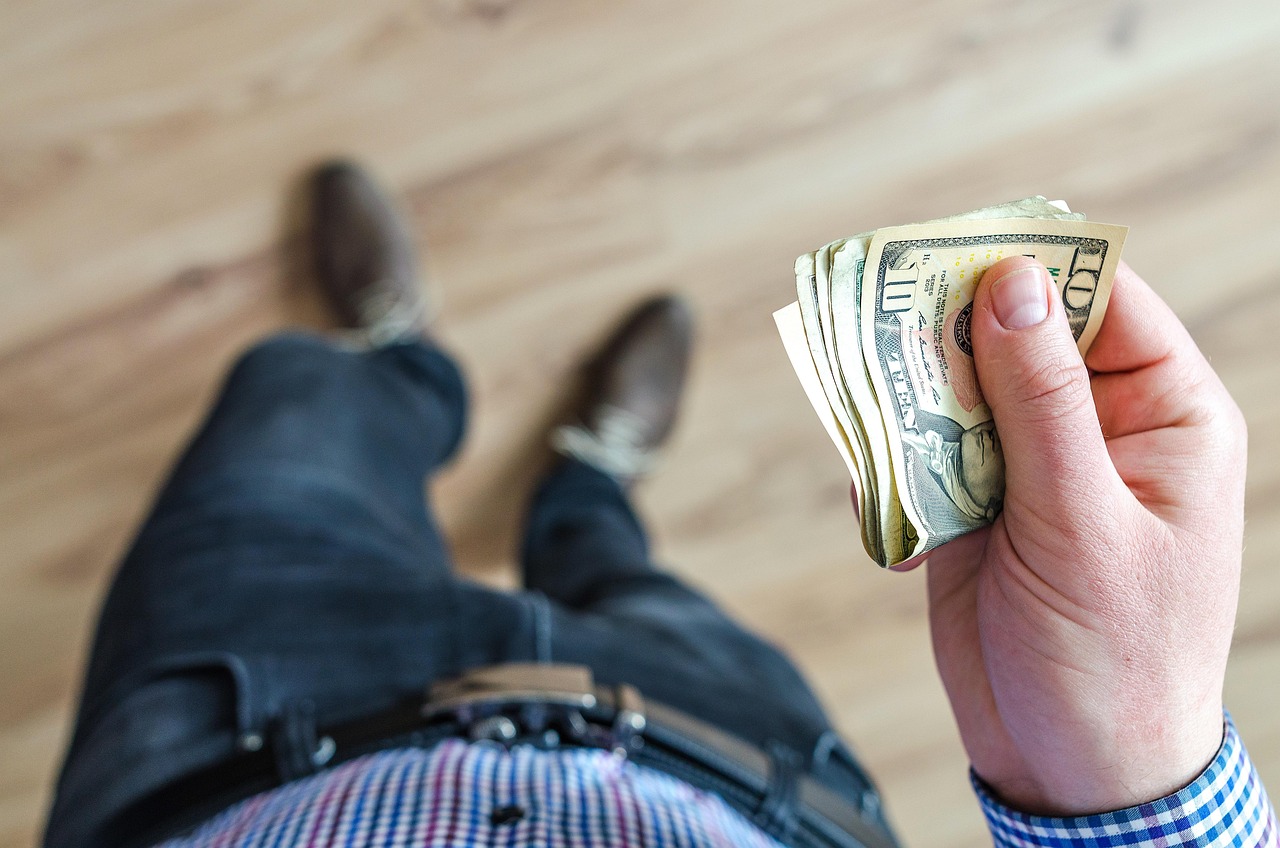
Interestingly, this incident is not isolated. It reflects a long-standing issue in the Las Vegas hospitality industry, where visitors often feel the sting of inflated prices. From $26 bottles of water to $12 coffees at Starbucks in various casinos, the trend of high pricing is nothing new. In fact, during an earnings call last October, MGM Resorts CEO Bill Hornbuckle candidly acknowledged the backlash against exorbitant pricing, admitting, “When we think about pricing and things that got everyone’s attention, whether it’s the infamous ($26) bottle of water or Starbucks coffee at Excalibur that cost $12, shame on us.” This admission highlights a growing awareness within the industry about the potential alienation of customers due to pricing strategies that may be perceived as predatory.
Las Vegas, often referred to as the Entertainment Capital of the World, thrives on a unique economy driven by tourism. The city’s allure comes from its vibrant nightlife, luxurious hotels, and world-class entertainment options. However, this glitzy facade can also mask a darker side—one where visitors find themselves paying top dollar for even the most mundane items. It’s a paradox that many seasoned travelers are well aware of; the city offers unparalleled experiences, but those experiences often come with a hefty price tag.
The Economics of Las Vegas: Price vs. Value
To better understand the economics at play in Las Vegas, it’s essential to consider the factors that contribute to these inflated prices. Tourist destinations often capitalize on the principle of supply and demand. In Las Vegas, where millions flock each year, businesses can charge higher prices due to the sheer volume of visitors who may not be fully aware of alternative options. Additionally, many tourists view their trip as a special occasion, willing to splurge on experiences that they might not indulge in during their everyday lives.
Furthermore, the convenience factor cannot be underestimated. The MGM Grand, like many other resorts, is designed to keep guests on-site. Offering food, entertainment, and shopping all within the confines of the hotel encourages guests to spend money without venturing into the outside world. This strategy is effective but can lead to a sense of frustration among consumers who feel they are being taken advantage of.
The Role of Social Media in Consumer Awareness
Levitt’s video perfectly illustrates the impact of social media on consumer awareness and public discourse. In our digital age, a single video can ignite a firestorm of conversation, bringing attention to issues that may have otherwise gone unnoticed. The viral nature of Levitt’s TikTok highlights how platforms like TikTok and Twitter can serve as powerful tools for consumer advocacy.
Many users shared their own stories of encountering outrageous prices in Las Vegas, creating a community of shared experiences. The collective outrage over the $13 candy bar became a rallying point, prompting discussions about fairness, pricing transparency, and the ethics of charging tourists inflated prices. In a sense, Levitt’s video transformed a simple observation into a broader critique of the hospitality industry’s pricing practices.
Conclusion: The Future of Las Vegas Pricing
The $13 Snickers bar saga serves as a microcosm of the challenges faced by the Las Vegas tourism industry. As consumer awareness grows and social media provides a platform for voices to be heard, businesses may need to reevaluate their pricing strategies to maintain customer loyalty. The backlash against inflated prices could lead to changes in how resorts and casinos price their offerings, ultimately benefiting consumers in the long run.
In a city renowned for its extravagance, finding a balance between profitability and customer satisfaction is crucial. As the landscape of Las Vegas continues to evolve, it will be fascinating to see how businesses respond to the growing demand for transparency and fairness in pricing. For now, the viral candy bar video remains a poignant reminder of the power of social media in shaping public perception and driving change in consumer behavior.