
VEGAS MYTHS RE-BUSTED: Las Vegas is the World’s Gambling Capital
EDITOR’S NOTE: A new “Vegas Myths Busted” publishes every Monday, with a bonus Flashback Friday edition.
What many Las Vegas regulars may not know is that Macau has been recognized as the gambling capital of the world for the past 15 of the last 18 years. Despite the glitz and glamour of Sin City, this Chinese city has vastly outperformed as a gambling destination.
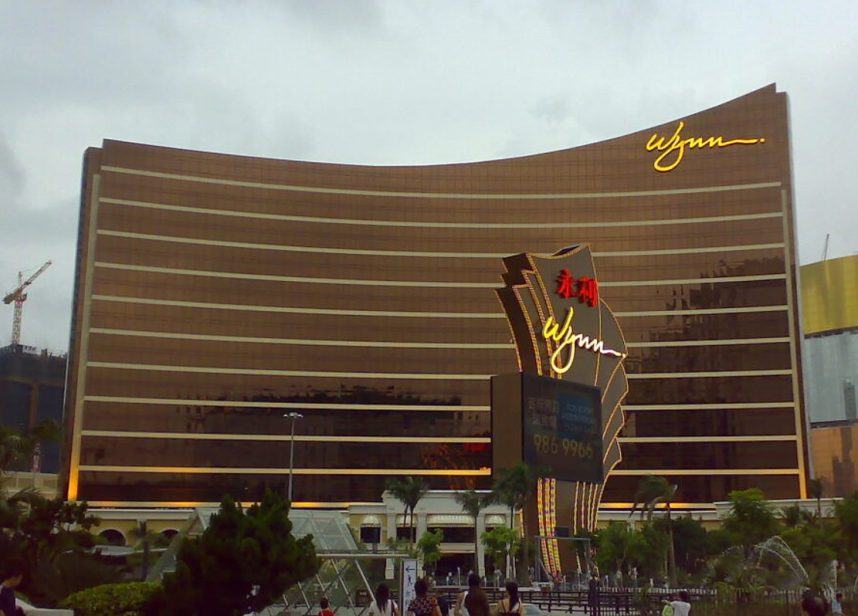
Las Vegas began losing its crown in 2006 when Macau posted an annual gross gambling revenue (GGR) of $6.95 billion compared to Las Vegas’ $6.69 billion. The trend has continued, with Macau’s revenue reaching $36 billion by 2019, nearly six times the $6.6 billion reported by Las Vegas.
This significant disparity has led to major shifts in how casino giants operate. For example, Las Vegas Sands, once a dominant force in Las Vegas, now primarily focuses on its operations in Macau and Singapore. In 2020, the company sold its Venetian and Palazzo properties for around $6.25 billion to concentrate on its Asian ventures.
Understanding Macau’s Gambling Boom
Macau, with its approximate population of 680,000 and covering only 12.7 square miles, depends heavily on casino revenue. In fact, over 80% of the region’s government revenue stems from casino taxes. Since transitioning from Portuguese rule in 1999, Macau has transformed into a hotspot for luxury casinos, drawing in high rollers from mainland China.
Despite gambling being illegal on the Chinese mainland, Macau maintains its unique status as a Special Administrative Region, allowing for licensed gambling. Major players, including Las Vegas Sands and Wynn Resorts, have invested over $20 billion to build lavish resorts, catering to an increasingly affluent clientele.
- Investment Surge: Las Vegas Sands first opened in Macau in 2004, with Wynn and MGM quickly following suit.
- Staggering Returns: Gambling tables in Macau reportedly earn seven times more than their Las Vegas counterparts.
- Market Share: By 2019, 70% of Wynn’s revenues derived from Macau operations.
The Impact of the Pandemic
The COVID-19 pandemic momentarily shifted the balance back to Las Vegas from 2020 to August 2023, bolstered by Macau’s strict quarantine measures and travel restrictions. Visitor numbers dropped drastically from 39 million in 2019 to just 5.9 million in 2020. Additionally, Beijing’s crackdown on junkets, which facilitated large money transfers, inflicted further damage on Macau’s gaming revenue, plummeting to $7.56 billion in 2020.
However, as restrictions eased in early 2023, Macau began to reclaim its title, with impressive revenue figures already starting to emerge. In the first half of 2023, Macau’s gross gambling revenue reached nearly $10 billion, far outpacing Las Vegas’ $7.5 billion.
Unless another unforeseen global event arises, it is highly probable that Macau will maintain its lead in the global gambling arena, continually evolving to meet the expectations and demands of international gamblers.
Keep an eye out for future editions of “Vegas Myths Busted” on Casino.org. If you have a myth that needs challenging, feel free to reach out!
Conclusion
The evolution of gambling from Las Vegas to Macau highlights significant shifts in player preferences and industry strategies, particularly in the wake of the pandemic. As we move forward, it remains crucial for both gambling cities to adapt and innovate to stay competitive in the ever-changing landscape of global gambling.