
In a concerning turn of events, a business linked to a tribal casino in Washington State has issued a recall for its harvested clams due to fears of norovirus contamination. This decision, announced by the US Food and Drug Administration (FDA), has drawn attention not only to the health implications but also to the broader economic and cultural significance of the Lummi Indian Nation and its enterprises.
The FDA’s alert, issued on a recent Monday, specifically advised consumers against serving, selling, or consuming Manila clams harvested by the Lummi Indian Business Council. The warning stems from health concerns that these clams may carry the highly contagious norovirus, which is notorious for causing gastrointestinal distress. Symptoms of norovirus infection include severe diarrhea, abdominal cramps, nausea, vomiting, and fever. Individuals who have consumed these clams and are experiencing any of these symptoms are urged to seek medical attention and report their condition to their local health department.

The Lummi Indian Business Council operates as the commercial arm of the Lummi Nation, a federally recognized tribe located in Whatcom County, Washington. This tribe has a rich history and cultural heritage, deeply intertwined with the land and waters of the Pacific Northwest. The Lummi Nation is known for its stewardship of natural resources, including its flourishing clam harvest, which is not only a source of food but also a significant aspect of their cultural identity and economic sustainability.
Manila clams, which are native to the waters of the Pacific, are appreciated for their sweet flavor and are often featured in a variety of culinary dishes. The Lummi Nation has been harvesting these clams from their tidelands, a practice that reflects their ancestral ties to the land. Unfortunately, the FDA has indicated that these clams were distributed to restaurants and retailers in nine states, namely Arizona, California, Florida, Georgia, Illinois, Nevada, New York, and Oregon. This wide distribution raises concerns about public health and safety, prompting the urgent recall.
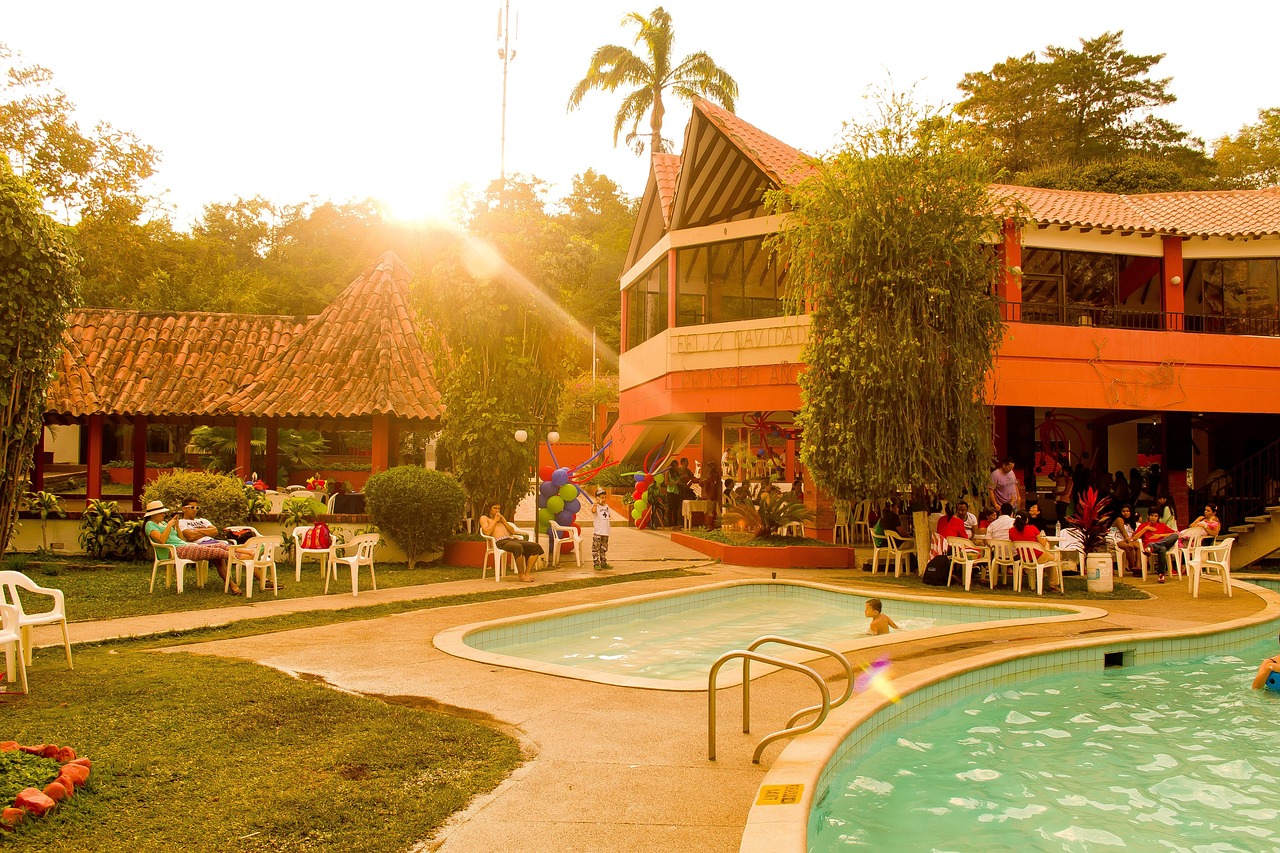
In addition to the clam business, the Lummi Nation operates the Silver Reef Casino Resort, a significant economic driver for the tribe. The casino features over 1,000 slot machines, table games, and a sportsbook, along with a hotel and dining options. This facility not only provides entertainment but also plays a crucial role in supporting the tribe’s economic sovereignty, allowing them to fund vital community services and cultural preservation efforts.
Historically, tribal casinos have become a vital source of revenue for many Native American tribes across the United States. The rise of gaming on tribal lands began in the late 20th century, following the Indian Gaming Regulatory Act of 1988, which aimed to promote tribal economic development and self-sufficiency. The Lummi Nation’s ventures into both clam harvesting and casino management exemplify this dual approach to economic empowerment.
The implications of the clam recall extend beyond immediate health concerns. They also highlight the challenges faced by indigenous businesses in maintaining both health standards and economic viability. The relationship between environmental health and food safety is paramount, especially for tribes like the Lummi Nation that depend on natural resources for their livelihoods. Experts note that climate change and pollution pose ongoing threats to shellfish populations, which can lead to contamination events such as this one.
Moreover, the Lummi Indian Nation has been actively involved in advocating for environmental protection, recognizing the importance of clean waters for their traditional harvesting practices. The tribe has invested in initiatives aimed at restoring and preserving their marine environments, which are crucial for the sustainability of their clam and fish populations.
As the recall unfolds, both local consumers and businesses will feel the impact. Restaurants that have utilized the Lummi clams will need to navigate the logistics of replacing menu items while ensuring the safety of their patrons. For consumers, it serves as a reminder of the importance of food safety and awareness regarding the sources of their seafood.
In conclusion, the recall of Manila clams harvested by the Lummi Indian Business Council emphasizes the intersection of health, culture, and economic sustainability in indigenous communities. As the Lummi Nation continues to navigate this challenge, the resilience of their businesses and commitment to their cultural heritage will undoubtedly play a pivotal role in their response. For more insights into the latest developments in the casino and gambling sectors, keep an eye on casino news and gambling insights.